
Watching wild elephants in Kuiburi National Park - a unique opportunity with a private guide
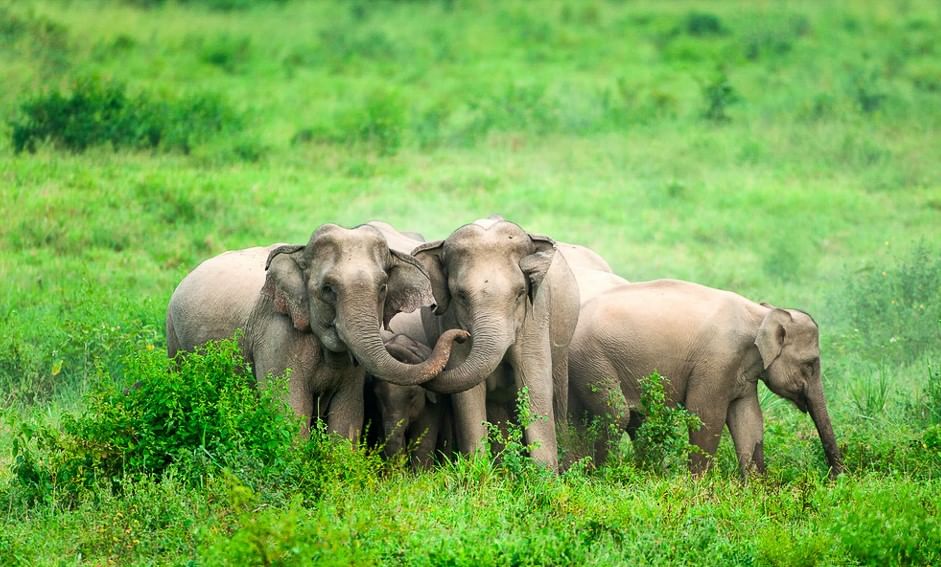
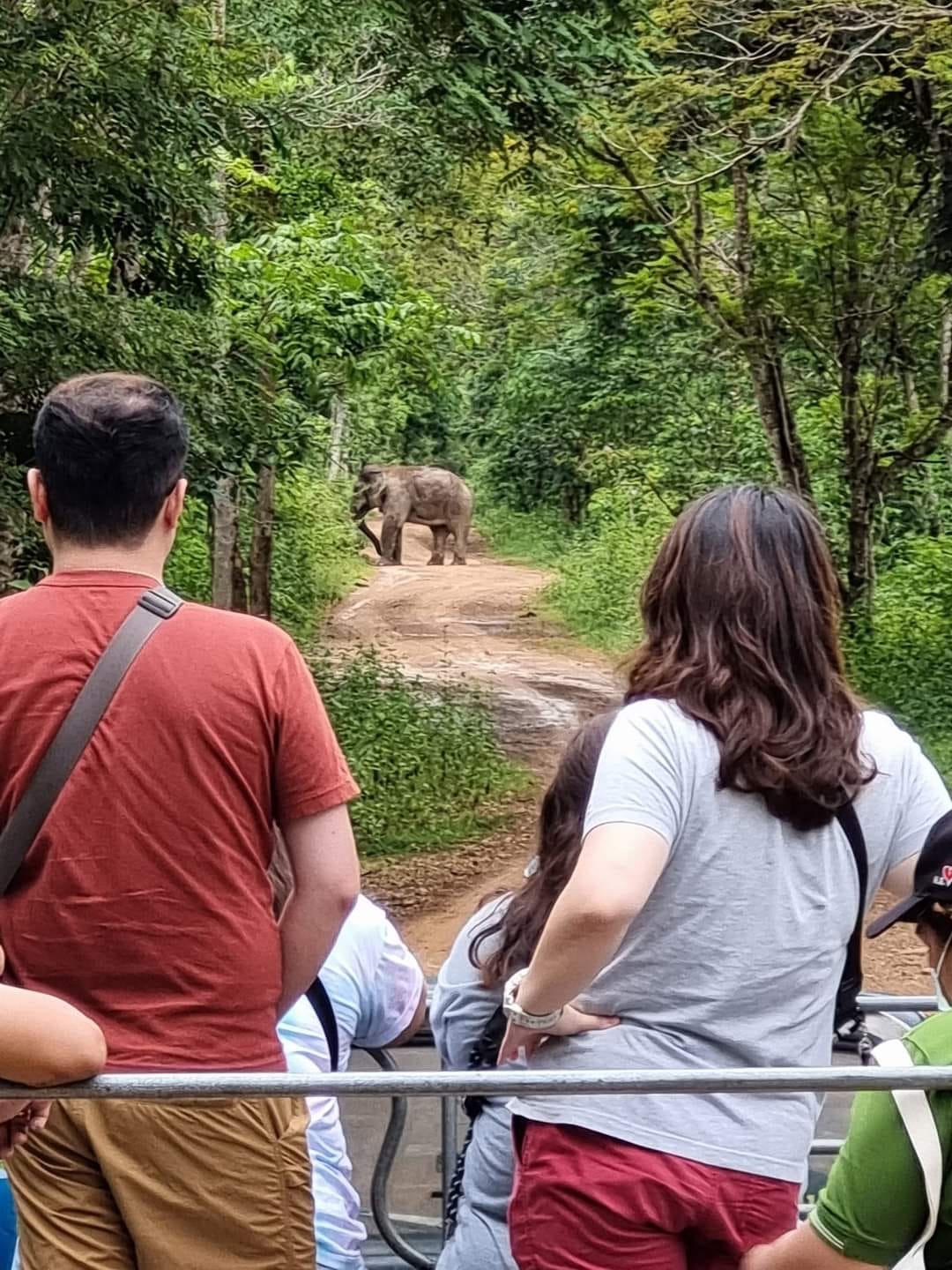
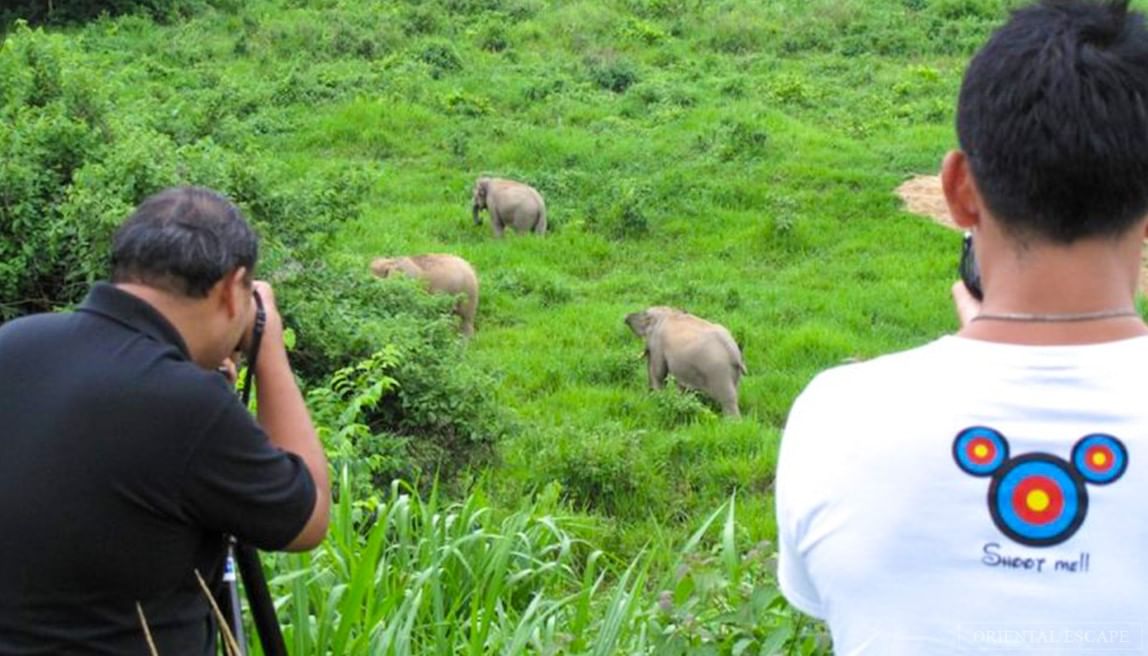
Experience wild elephant watching in Kuiburi National Park, offering a unique opportunity to observe these majestic animals in their natural, pristine habitat.
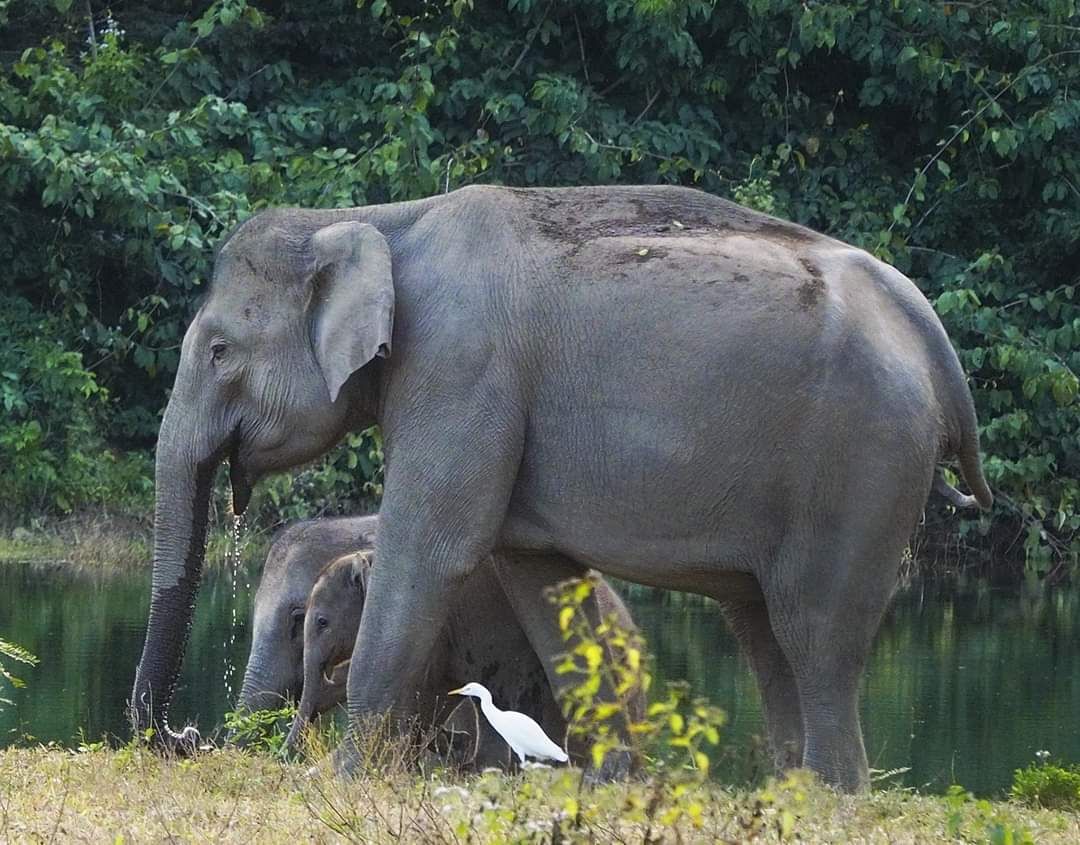
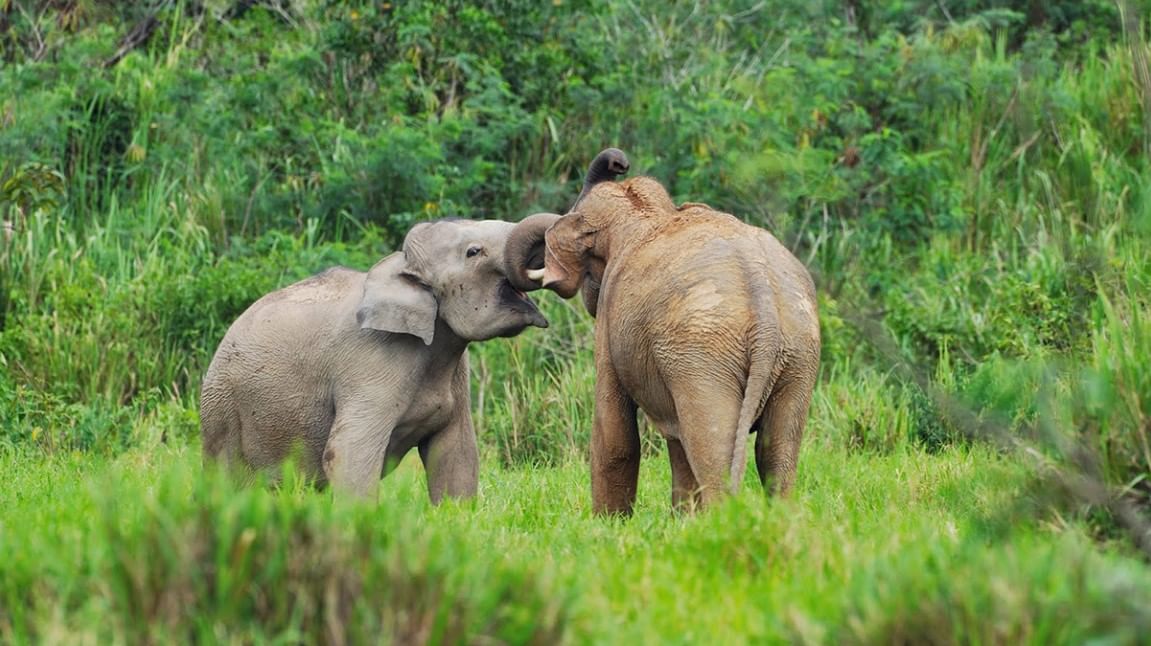
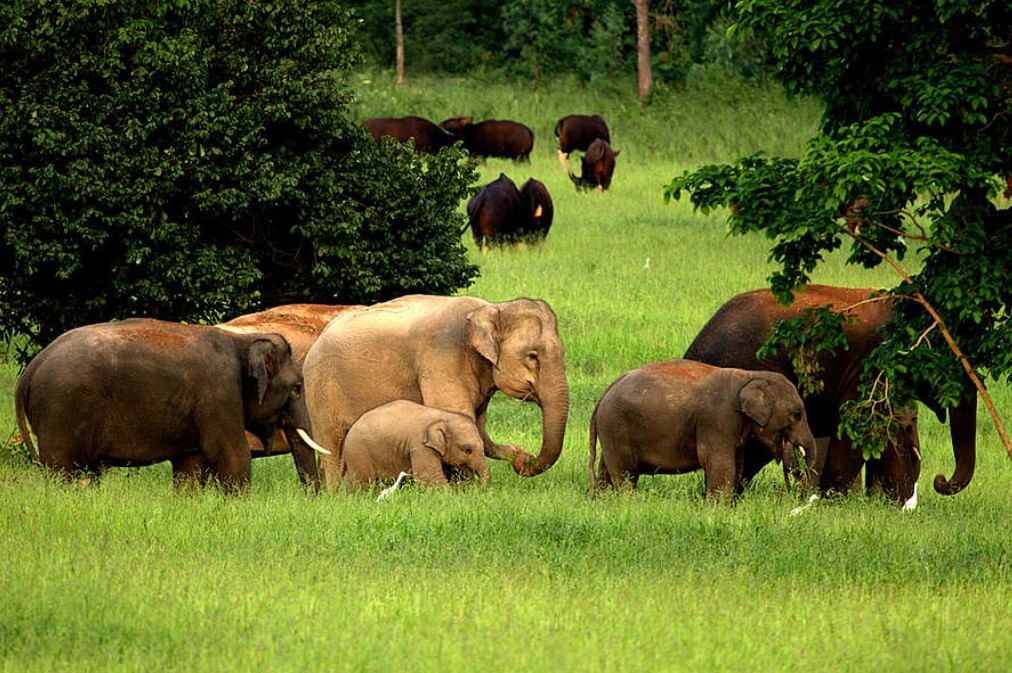
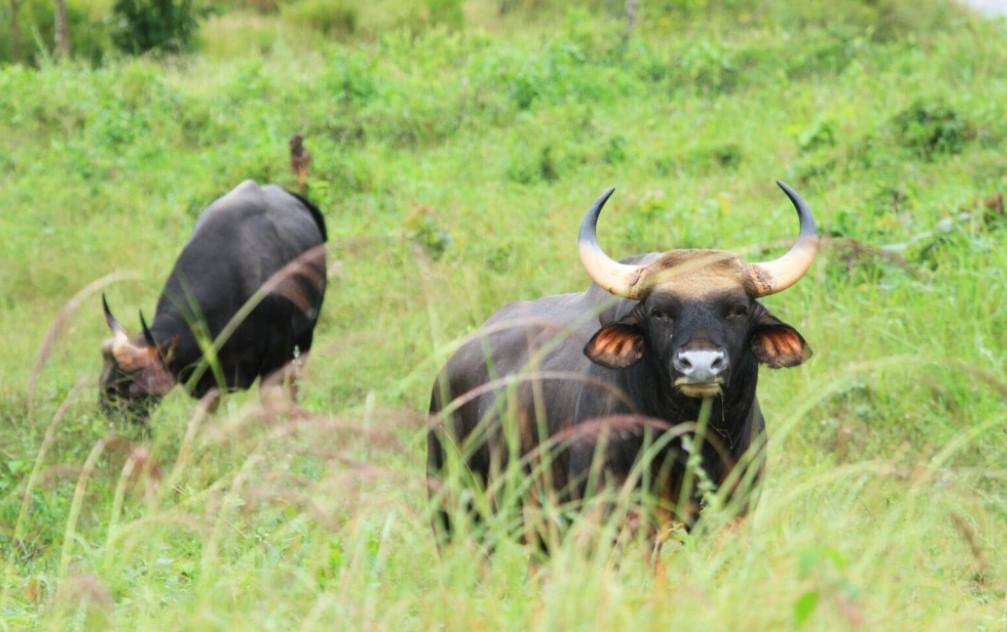
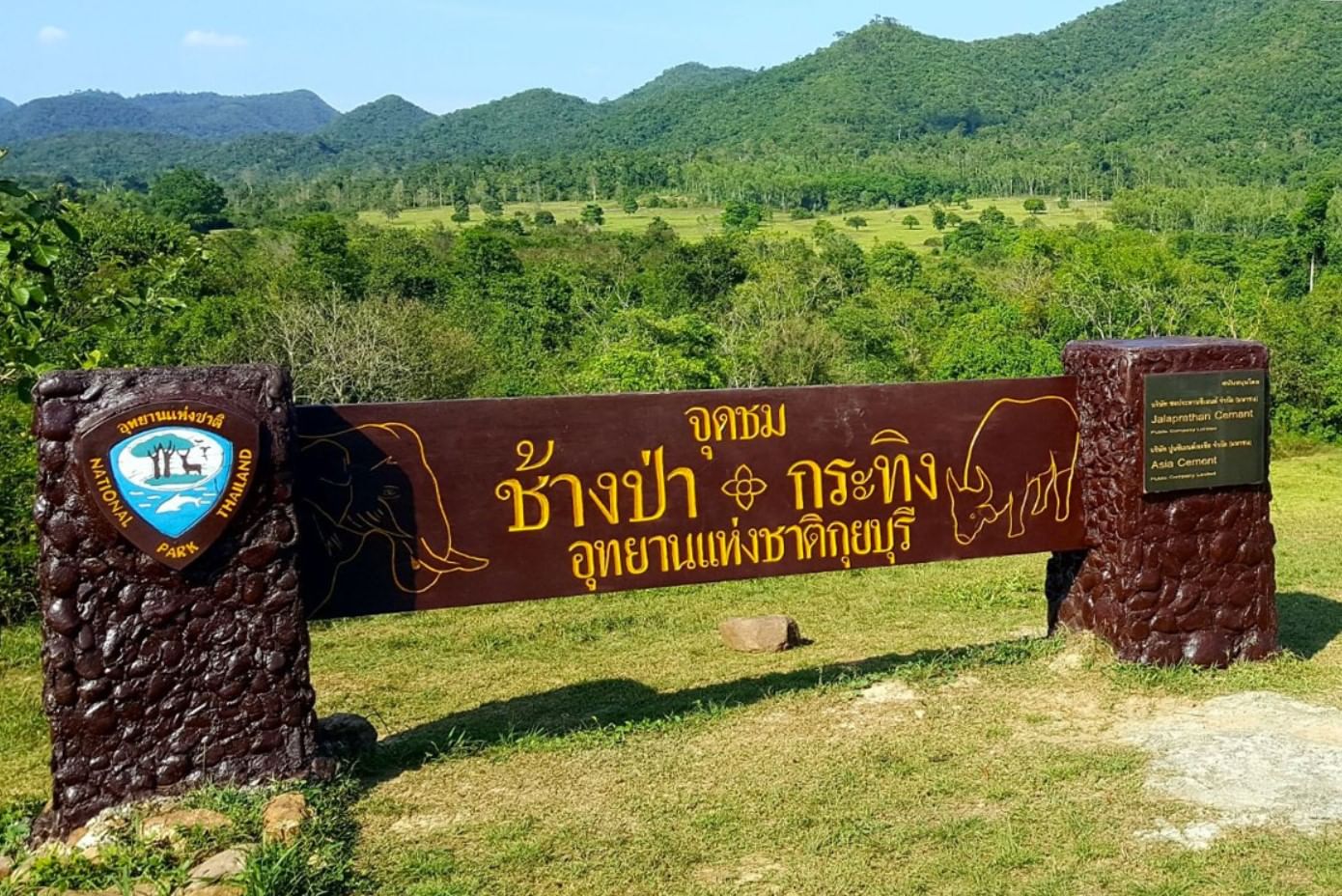
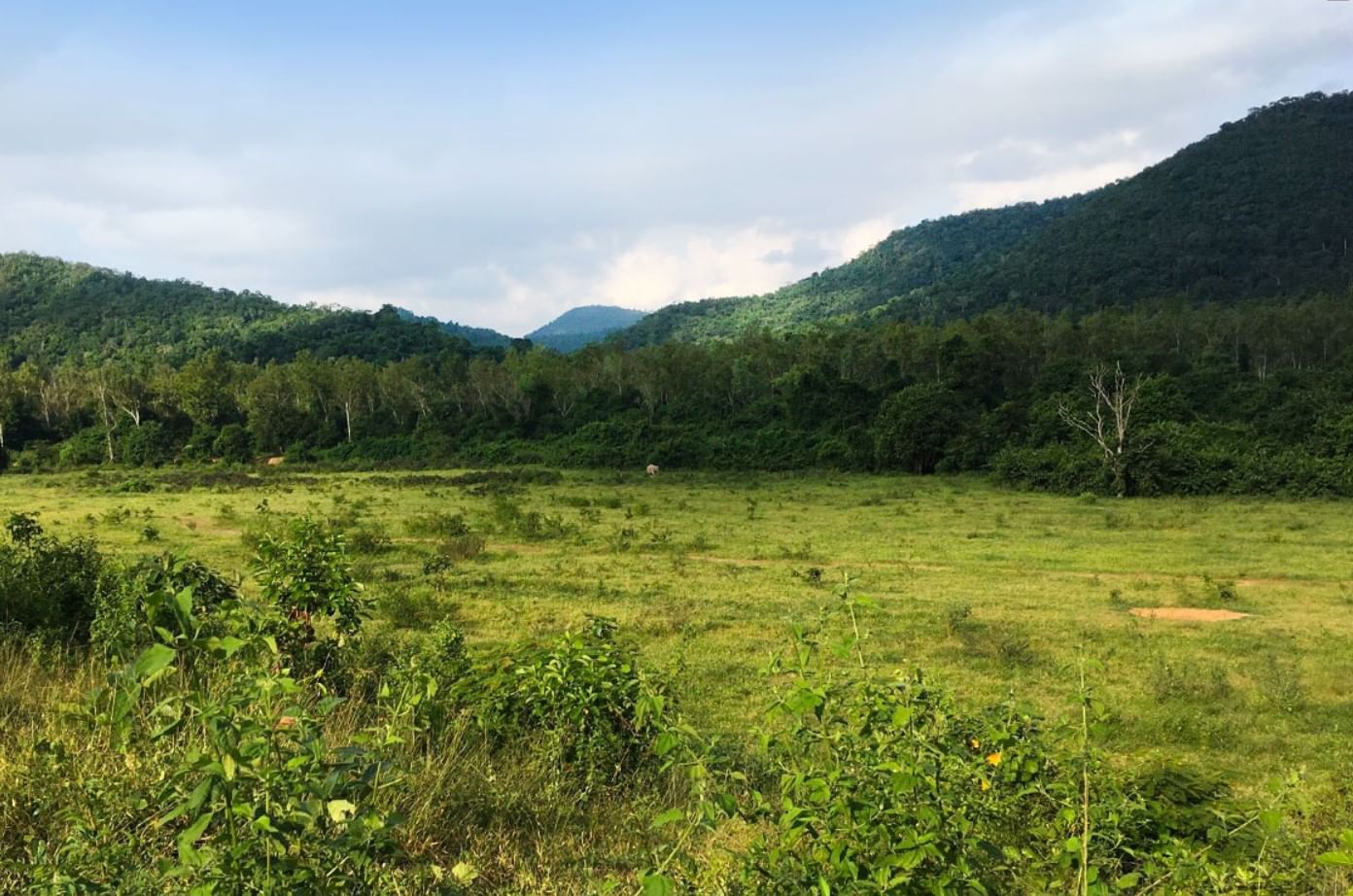
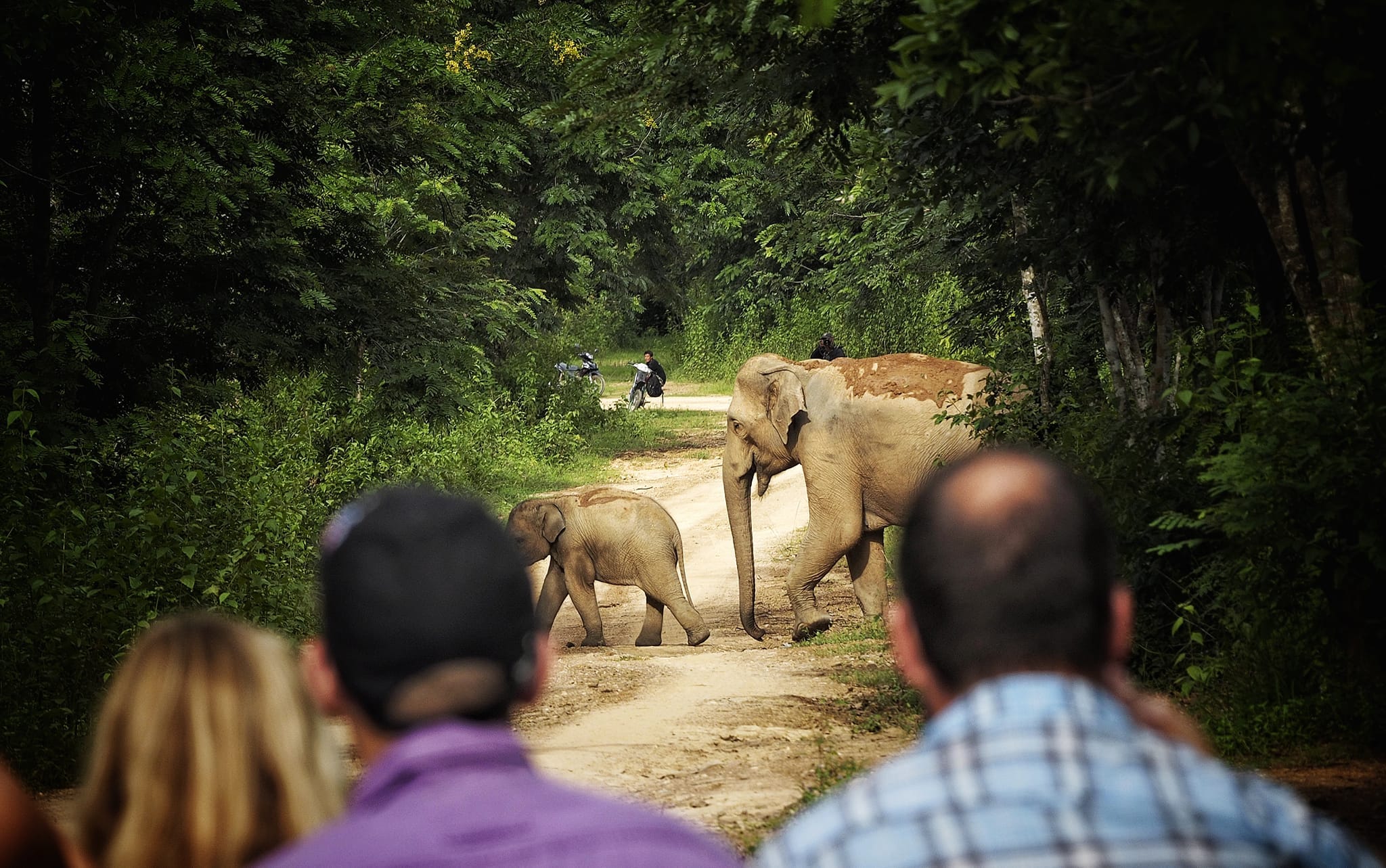
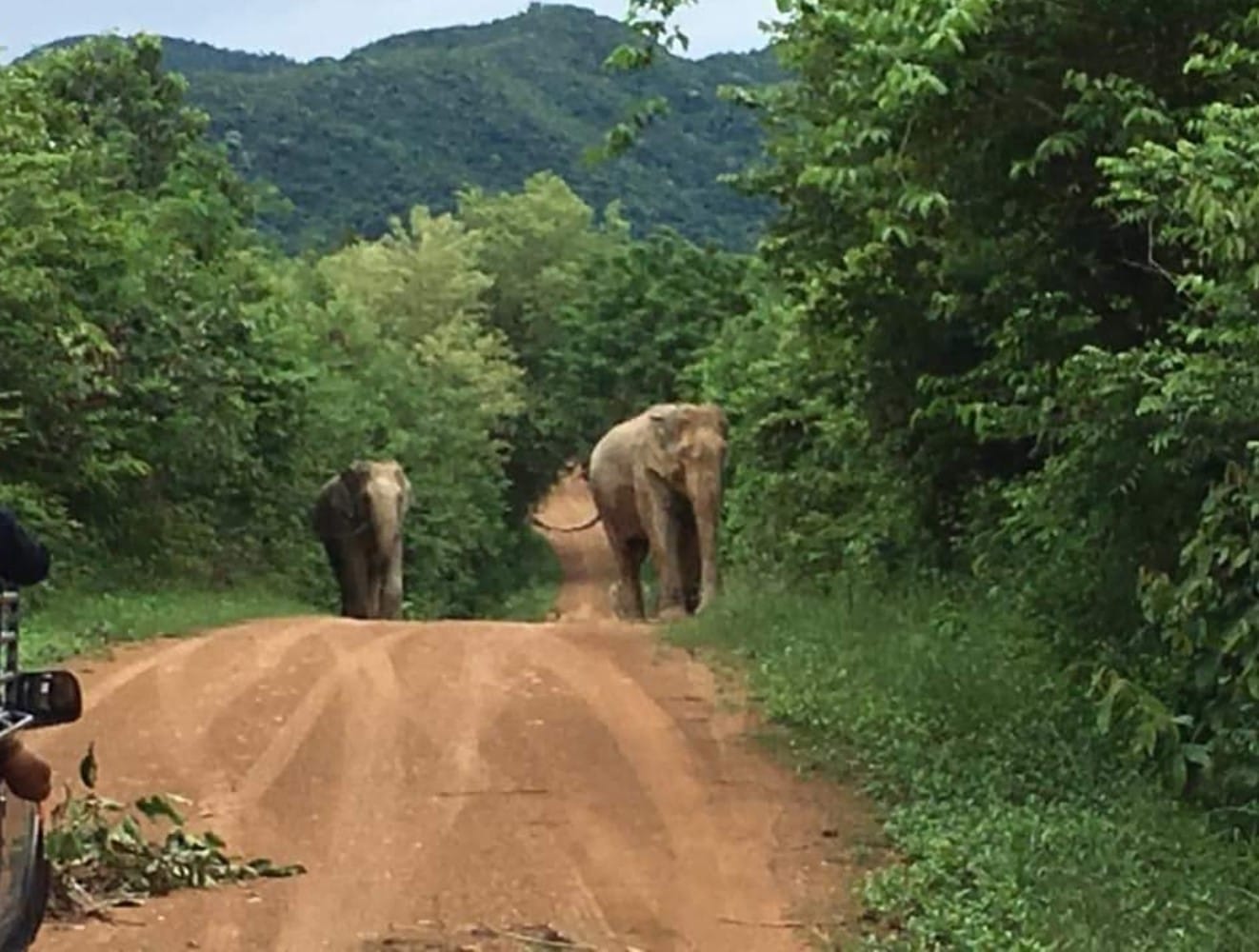
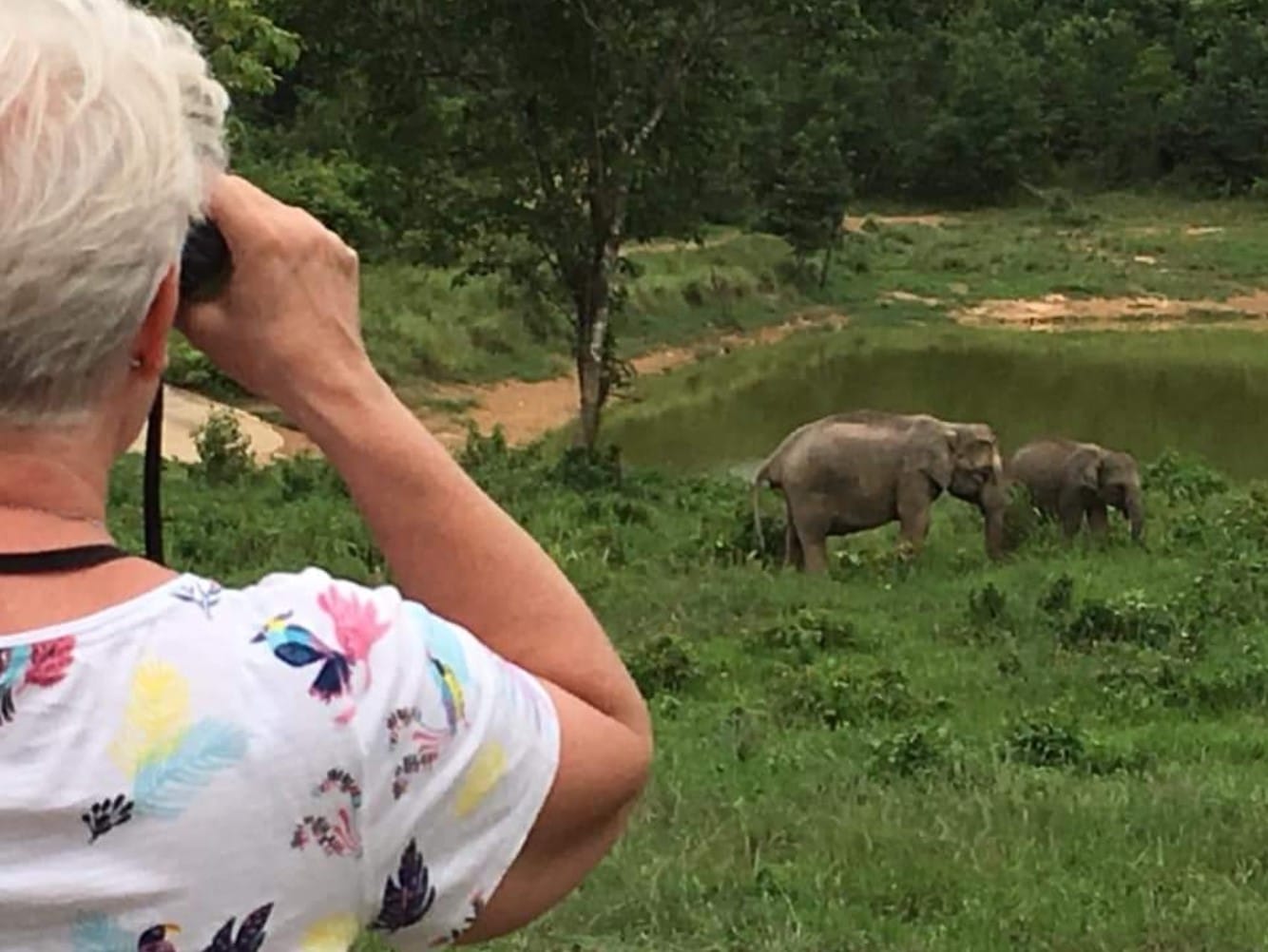
Kuiburi National Park stands as Thailand's premier sanctuary for wildlife enthusiasts, offering an unparalleled opportunity to observe over 320 protected wild elephants in their natural habitat. With a remarkable 95% chance of sighting these majestic creatures, visitors are assured a truly unique and unforgettable experience. Beyond the Asian elephants and gaurs, the park is home to a diverse array of mammals, including golden jackals, various deer species, langurs, white-handed gibbons, Burmese hares, Malay porcupines, and wild boars. Rare and elusive species such as tigers, leopards, bantengs, Malay tapirs, and dholes (Asian wild dogs) also inhabit the park. Kuiburi National Park boasts a rich avian diversity, with over 260 recorded bird species. Notable sightings include crested falcons, grey peacock pheasants, ferruginous partridges, Tickell's brown hornbills, white-crowned hornbills, brown fish owls, yellow-vented green pigeons, white-fronted scops owls, moustached hawk-cuckoos, red-necked hornbills, blue-rumped parrots, chestnut-naped forktails, red-bearded bee-eaters, maroon woodpeckers, red-winged philentomas, spectacled spiderhunters, and spotted-necked babblers. Herons are frequently observed among elephant herds, while other commonly seen birds include red junglefowl, Indochinese rollers, and Asian openbills. The park is also home to approximately 60 species of reptiles, including the red-headed krait (Bungarus flaviceps), southern variant of Pope's pit viper (Trimeresurus popeiorum), dog-toothed cat snake (Boiga cynodon), stump-headed tree snake (Aplopeltura boa), brown kukri snake (Oligodon purpurascens), Indochinese earth snake (Gongylosoma scriptum), speckle-headed whip snake (Ahaetulla fasciolata), drapiezi cat snake (Boiga drapiezii), rough-necked monitor lizard (Varanus rudicollis), elongated turtle (Indotestudo elongata), Burmese green lizard (Bronchocela fasciolata burmana), and Malay softshell turtle (Dogania subplana). The park's landscape features a blend of dry and moist evergreen forests, with prominent tree species such as Dipterocarpus tuberculatus, Hopea odorata, Terminalia chebula, and a variety of palms. Kuiburi National Park offers an exceptional destination for nature lovers seeking to experience Thailand's rich biodiversity in a pristine environment.
View more